Camping Power Banks: Capacity, Weight and Solar
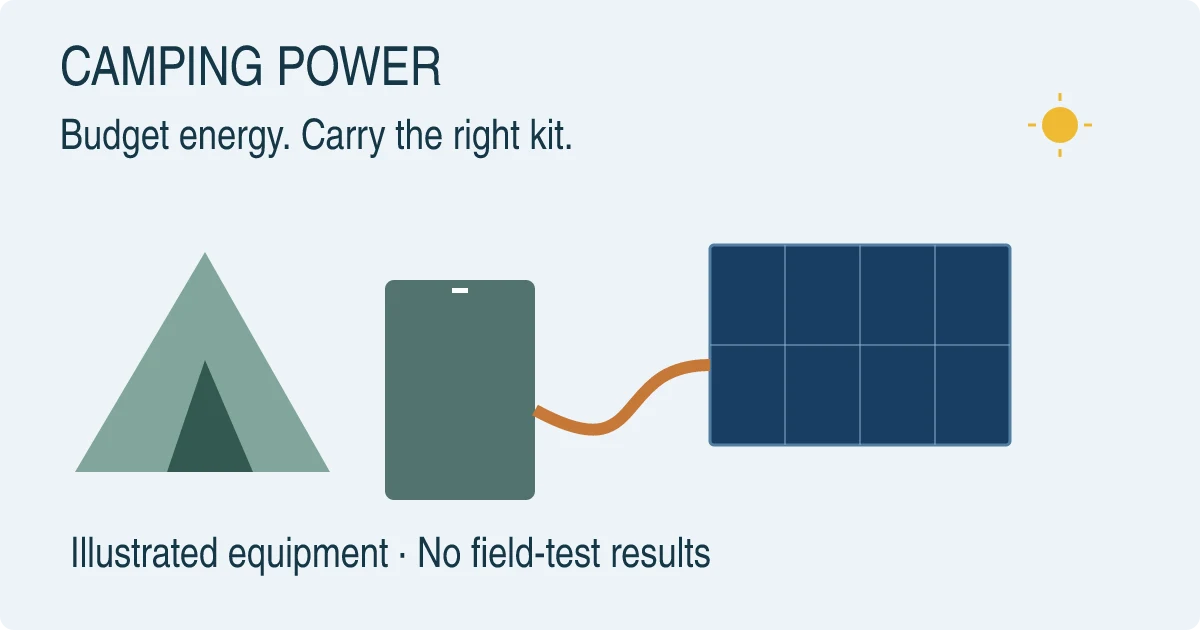
Size a camping power bank from measured USB energy, full-kit weight, and the sunlight a panel can collect. A 60W or 240W mark is a cable logo.
Read articlePage 2 of 2
Size a camping power bank from measured USB energy, full-kit weight, and the sunlight a panel can collect. A 60W or 240W mark is a cable logo.
Read article
Choose a portable power bank by charging mode, the port you will use, and watt-hours, including the FAA cabin limit.
Read article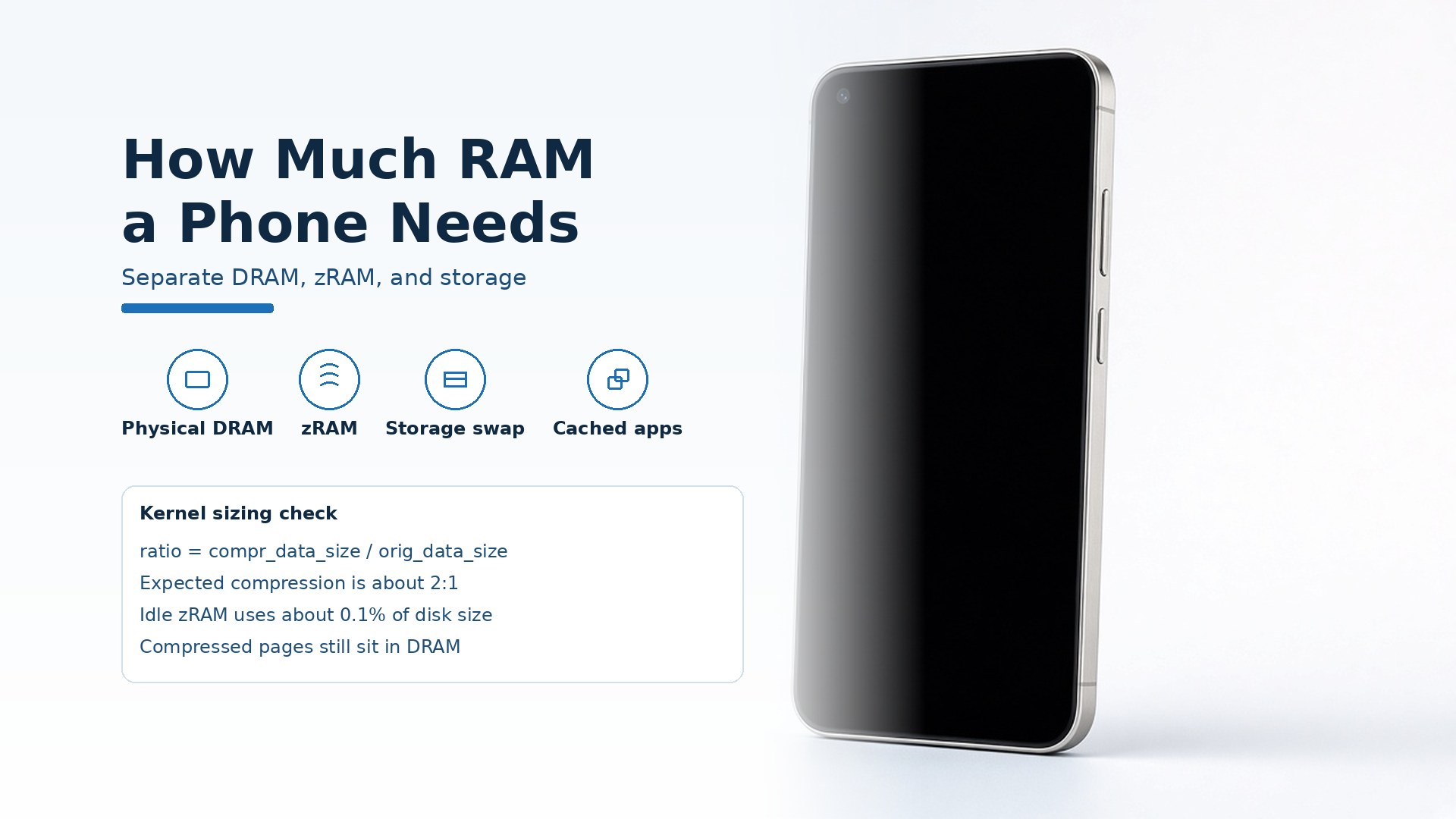
A smartphone needs enough physical DRAM to keep your apps cached. Keep zRAM and storage-backed virtual memory in separate columns.
Read article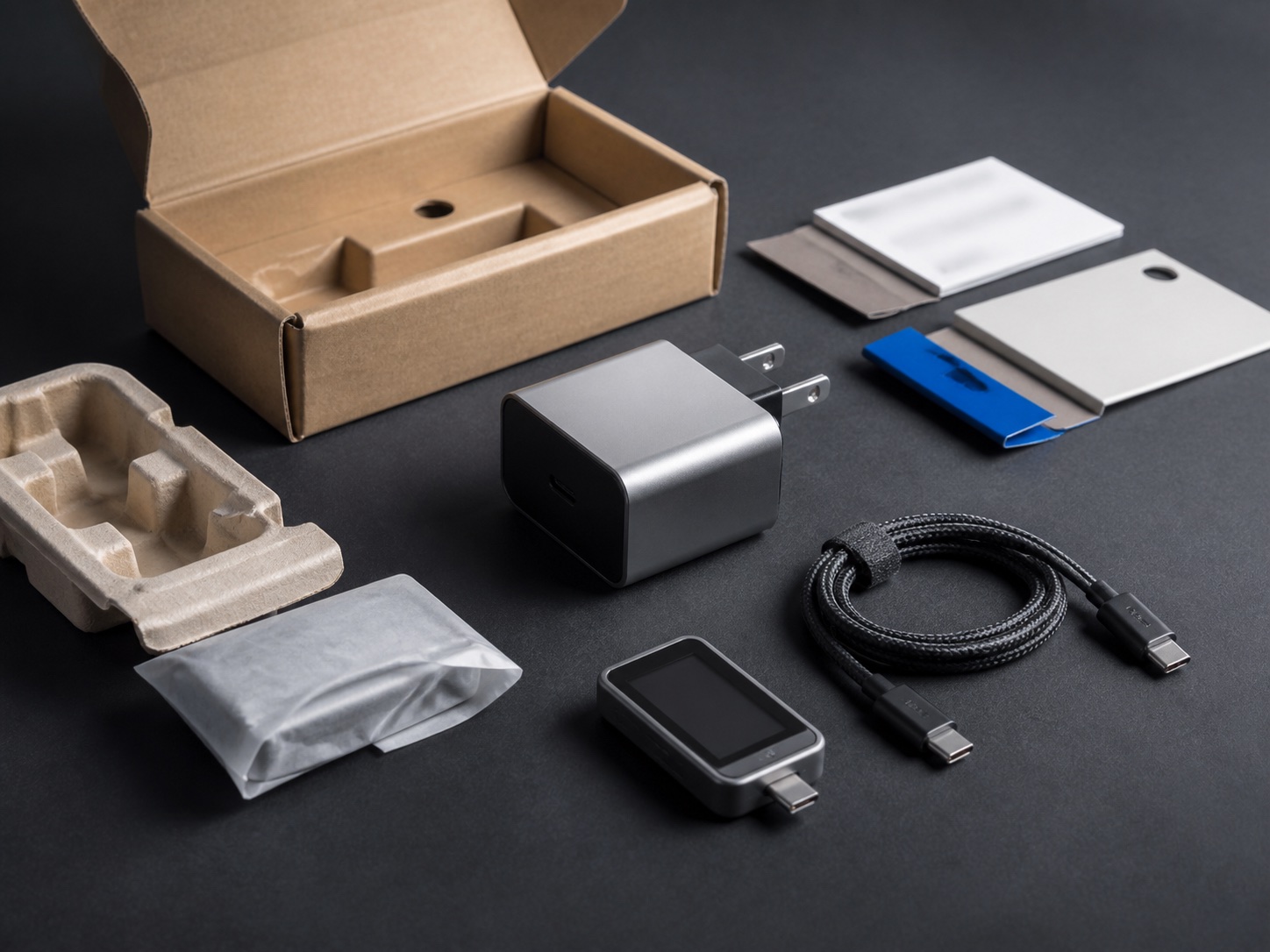
Wrong port sharing leaves a laptop short of its documented input. Match the phone, the port split, and the cable before you trust a GaN label.
Read article
A peak brightness number wastes the shortlist when it is an HDR or outdoor category. Choose a phone display by readable text, that category, and the refresh mode you will keep.
Read article
Match a USB-C to USB-C cable to the 3 A, 5 A, and data rows in USB Type-C Release 2.5, then check the charger's published voltages.
Read article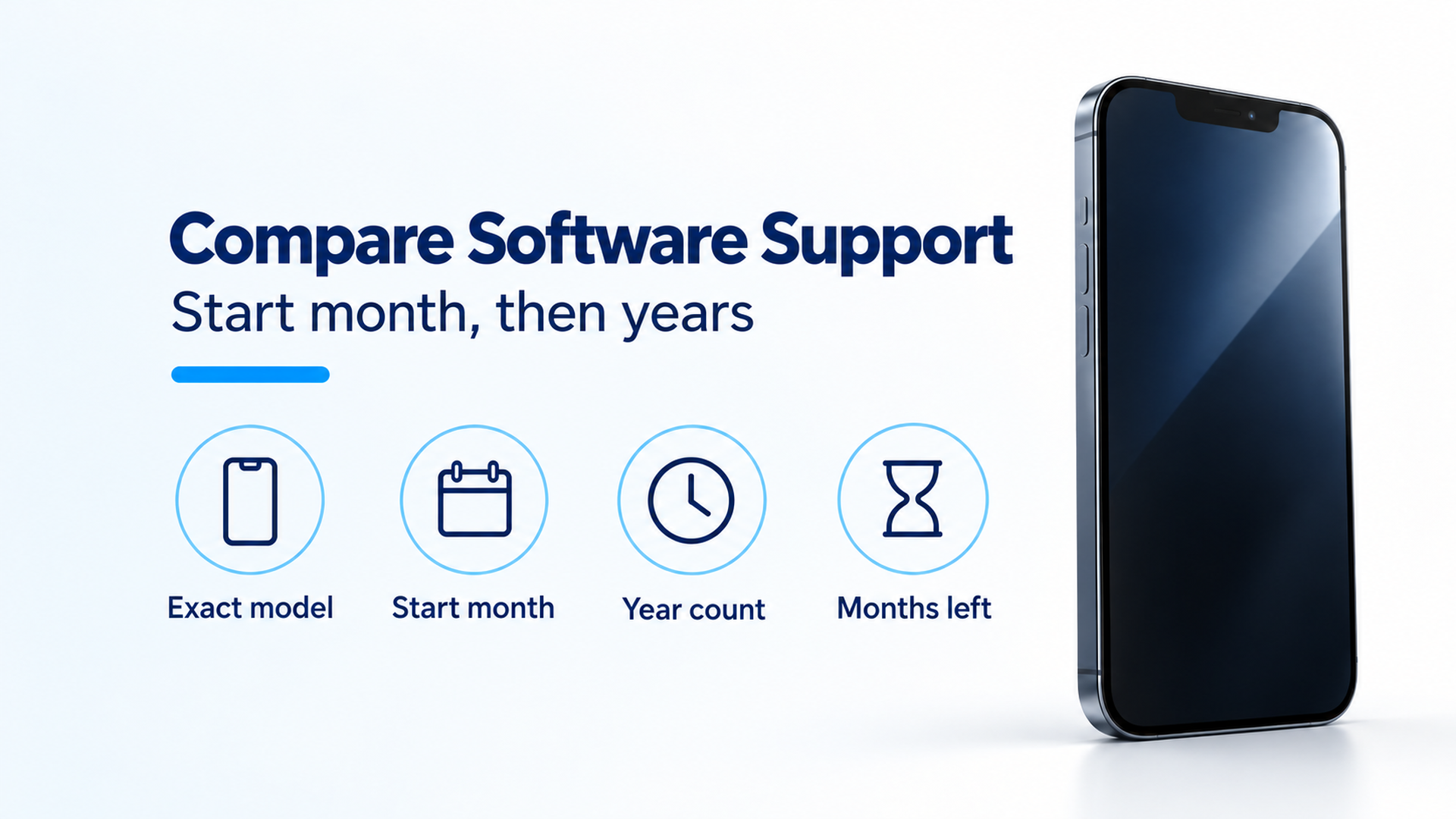
A discount on older stock wastes the years you thought the receipt restarted. Subtract your purchase month from the maker's start month plus the published year count.
Read article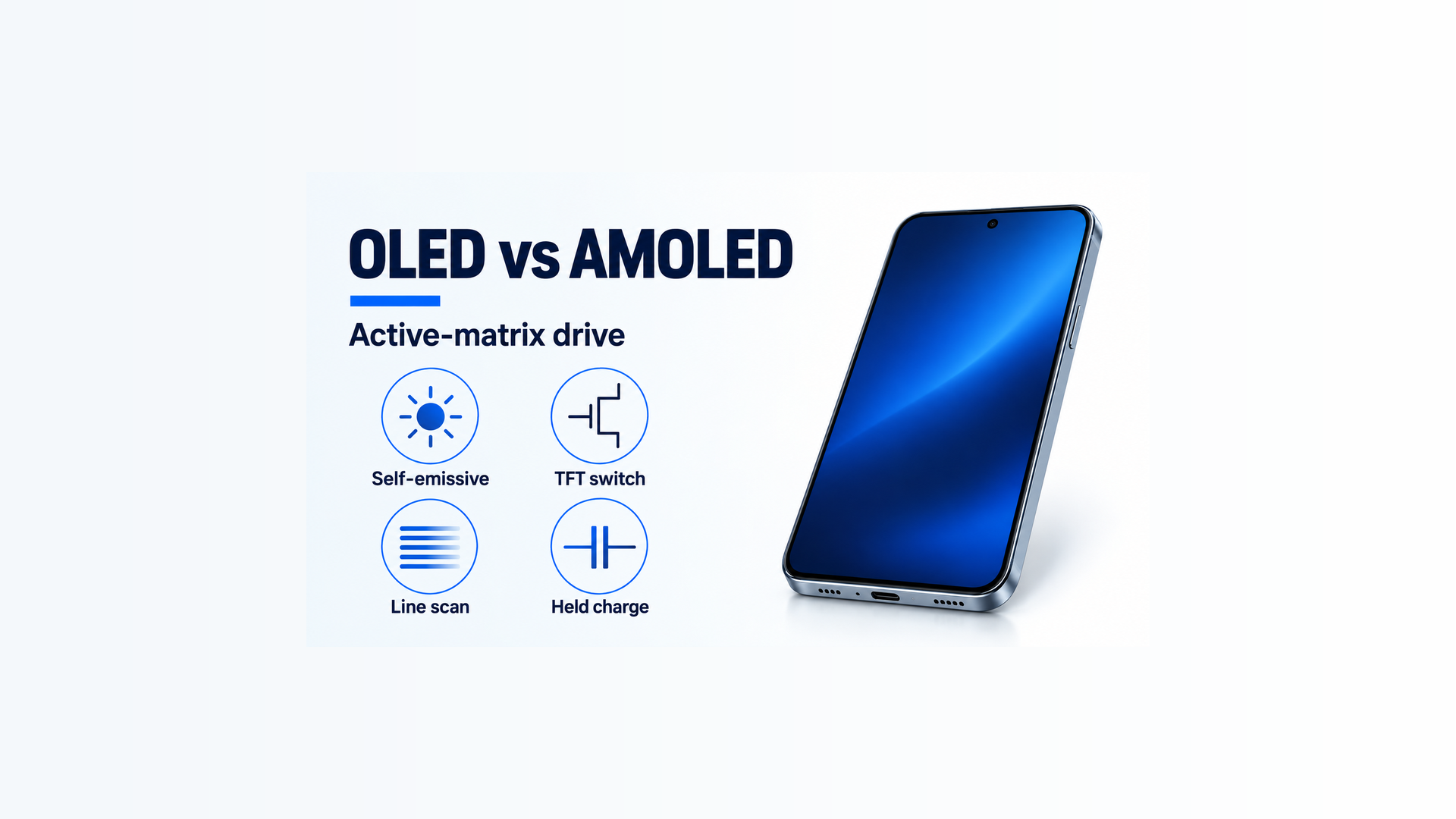
Paying for the letters AM wastes a drive-method word. AMOLED means active-matrix OLED, and the suffix leaves brightness and refresh unset.
Read article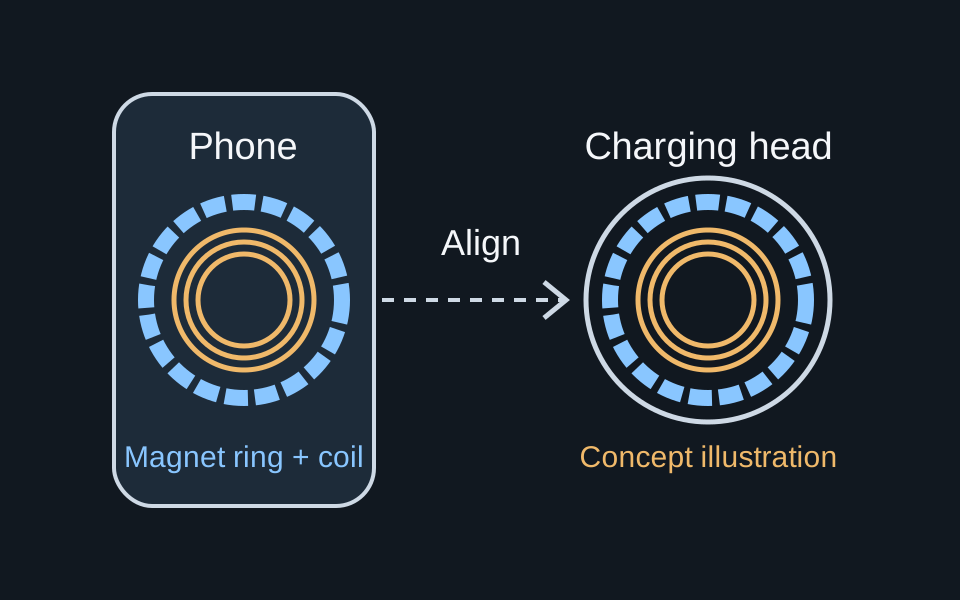
Qi2 wattages come from WPC documents. MagSafe peaks come from Apple's charger page and tech specs. Match the phone, part number, and adapter before you buy.
Read article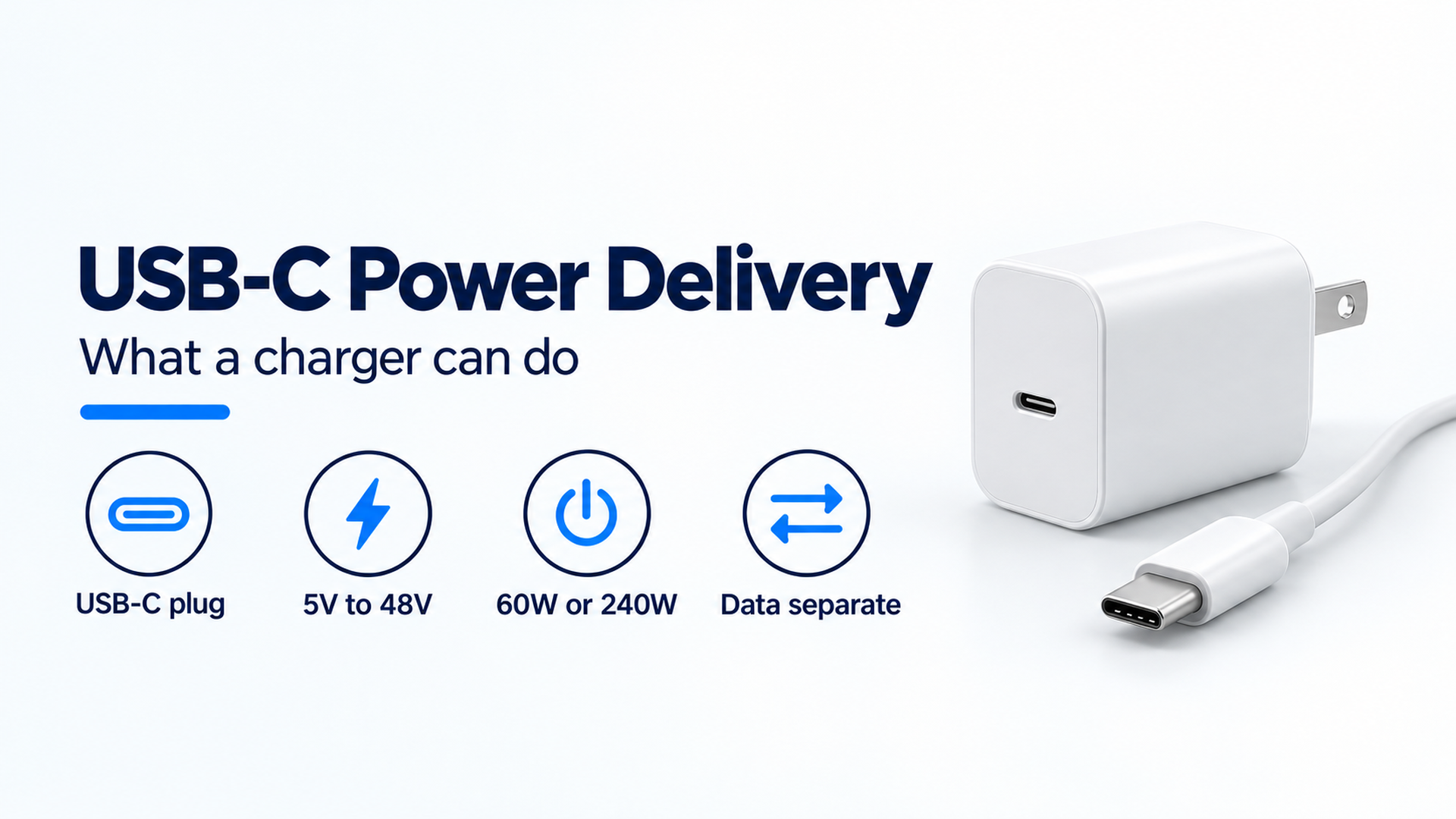
USB-C is the connector. USB Power Delivery is the separate power contract, with fixed voltages from 5V through 48V and a 240W ceiling on the 2021 USB-IF update.
Read article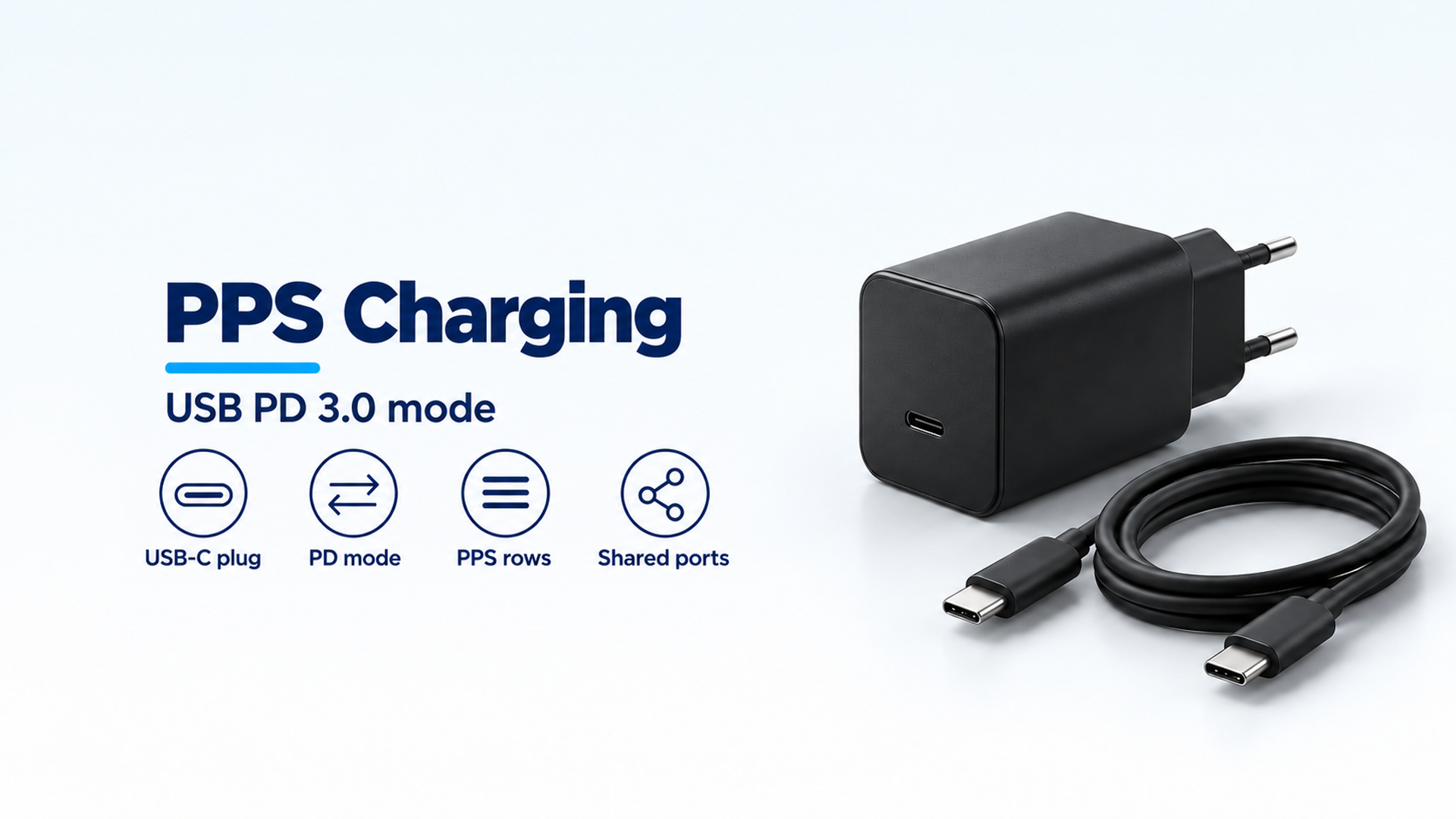
PPS is the Programmable Power Supply feature of USB Power Delivery 3.0. A shared charger budget can waste the higher PPS row once a second port is loaded.
Read article